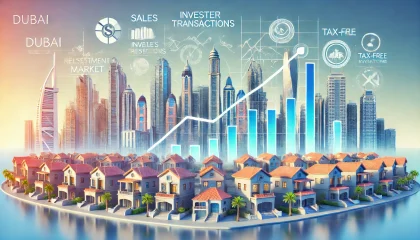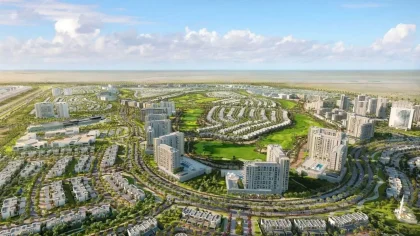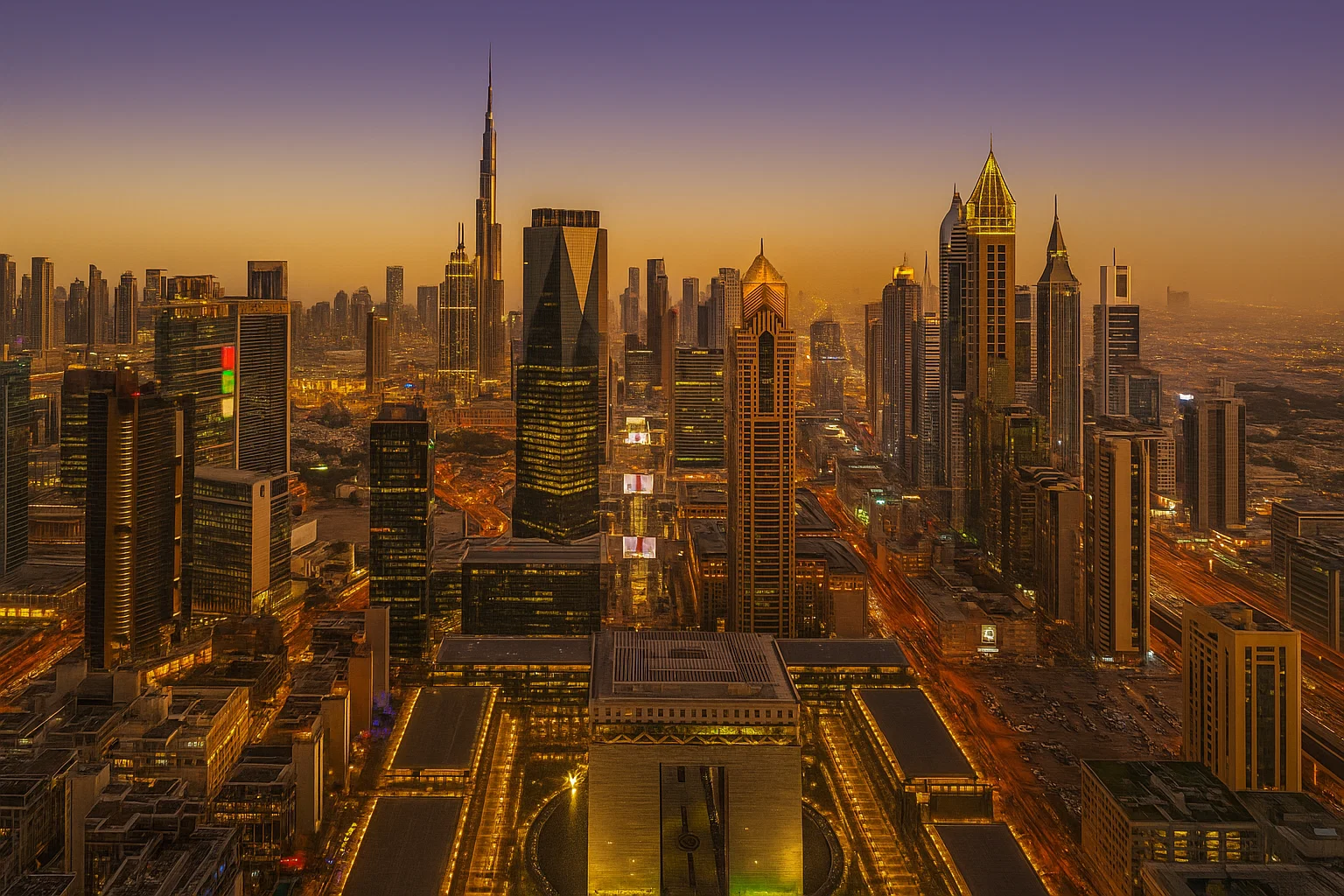
Dubai’s real estate market continued to demonstrate remarkable resilience and depth throughout 2025, reinforcing its position as one of the most dynamic property markets globally. Despite a noticeable increase in supply across several segments, sustained demand from end-users and investors supported price growth, rental stability, and attractive yields.
According to the latest annual report issued by Bayut, market movements during the year reflected solid fundamentals, diversified demand, and a healthy balance between affordable housing, mid-market communities, and luxury developments.
A report by Bayut showed the continued rise in the average selling price per square foot for both apartments and villas across a number of prominent residential areas in Dubai. In its 2025 Dubai Real Estate Market Annual Report, Bayut noted that the increase in property supply has been met with stable demand, resulting in price movements that reflect the strength and flexibility of the market, while confirming the sound foundations on which the sector is built.
In the affordable property segment, areas such as Dubai Silicon Oasis, Arjan, DAMAC Hills 2, and Dubai South continued to attract buyers seeking competitively priced homes. These communities benefited from improved infrastructure, expanding amenities, and growing interest from both first-time buyers and yield-focused investors.
Within the mid-market segment, demand remained steady across established communities including Jumeirah Village Circle, Business Bay, Al Furjan, and Arabian Ranches 3. Meanwhile, investors in the luxury category continued to favor prime destinations such as Dubai Marina, Downtown Dubai, Dubai Hills Estate, and DAMAC Hills, driven by lifestyle appeal, brand value, and long-term capital appreciation prospects.
Apartment prices in affordable areas recorded increases ranging between 9% and 29%, with Dubai Silicon Oasis posting the highest growth following the announcement of the Blue Line Metro, which enhanced future connectivity expectations. The average price per square foot for mid-range apartments in Dubai’s most sought-after areas rose by up to 11%, while luxury apartment prices increased between 4% and 7%, reflecting a more mature and balanced growth cycle in the premium segment.
Villa prices also recorded broad-based increases across high-demand locations. During 2025, prices of affordable villas rose by as much as 24%, with Dubai South and Dubailand registering growth exceeding 20%, supported by the handover of new residential projects. Mid-range villa prices increased between 17% and 28%, driven by new deliveries in communities such as Murooj Al Furjan, Bliss, and Kaya within Arabian Ranches 3. In the luxury segment, villa prices rose by up to 16% in areas including Arabian Ranches, Dubai Hills Estate, and DAMAC Hills.
From an investment perspective, rental yields remained one of Dubai’s strongest value propositions. Affordable apartments in International City, Dubai Investment Park, and Discovery Gardens delivered robust yields ranging between 9% and 10%. Mid-market areas such as Living Legends, Town Square, and Al Furjan achieved yields of 7% to 9%, while luxury apartment investments in Al Sufouh, DAMAC Hills, and Green Community generated returns exceeding 7.62%.
Villas also continued to offer competitive returns. Affordable villa communities including DAMAC Hills 2, Serena, and International City led their segment with yields above 5.4%. Mid-market villa areas such as Jumeirah Village Circle, Mudon, and Town Square recorded yields between 5% and 7%. In the luxury category, villas in Mohammed Bin Rashid City, Al Barsha, and Al Barari achieved rental yields exceeding 5.8%.
On the rental market front, Bayut’s end-of-2025 data pointed to overall stability, with continued momentum in affordable segments as residents increasingly opted for budget-conscious housing solutions. Strong demand was observed for affordable apartments in Arjan and Bur Dubai, while DAMAC Hills 2 and Mirdif maintained their popularity in the affordable villa rental market. In the mid-range segment, tenant demand focused on Jumeirah Village Circle, Business Bay, Al Furjan, and Arabian Ranches 3. At the premium end, Dubai Marina and Downtown Dubai remained the most sought-after locations for apartments, while Dubai Hills Estate and DAMAC Hills continued to dominate demand for luxury villas.
Rental prices for affordable apartments increased by up to 21%, with Deira recording the highest growth in family-oriented units. Mid-market apartment rents rose by up to 7%. In contrast, luxury apartment rents generally stabilized, with selective declines of up to 5% in areas such as Dubai Marina and Dubai Creek Harbour. Affordable villa rents increased between 5% and 24%, with four-bedroom villas in Dubai South recording the strongest growth following new handovers in Emaar South and surrounding residential districts. Mid-market villa rents climbed by up to 15%, while four-bedroom villas in Arabian Ranches 3 saw a sharp surge approaching 70%, driven by new completions in the Kaya and Bliss communities.
In the luxury villa segment, rents experienced an overall decline of up to 24%. However, limited supply led to notable exceptions, with five- and six-bedroom villas in Dubai Hills Estate recording significant increases of 79.5% and 27.7% respectively.
Conclusion
Bayut’s 2025 market analysis confirms that Dubai’s real estate sector remains fundamentally strong and well-positioned for sustainable growth. While certain luxury segments experienced price and rental corrections, the broader market benefited from population growth, infrastructure investment, and efficient absorption of new supply. Strong rental yields in affordable and mid-market communities, combined with long-term capital appreciation potential in prime locations, continue to make Dubai a compelling destination for investors and residents alike. As the market evolves, its diversity, resilience, and demand-driven structure are expected to remain key pillars supporting future performance.