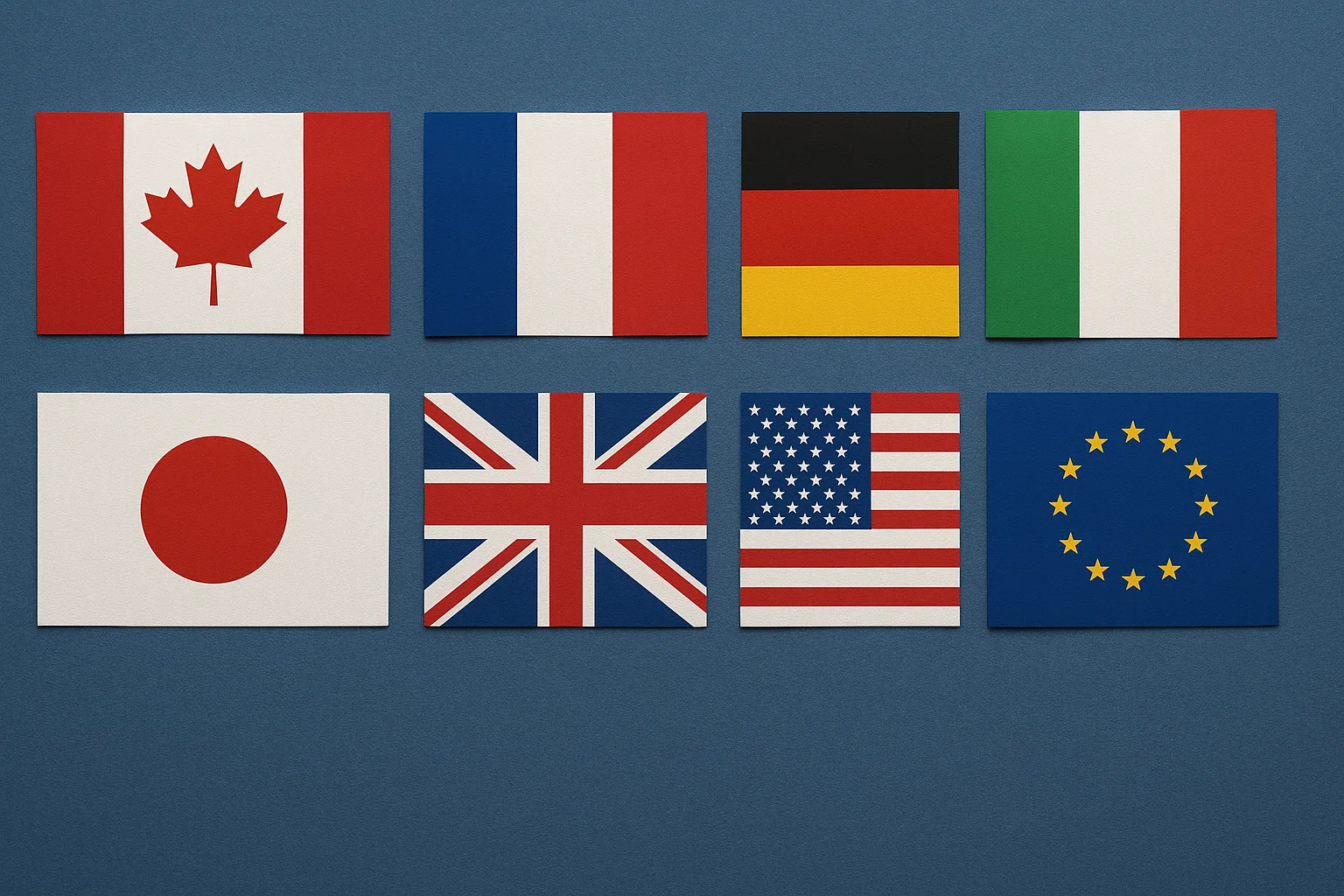
The G7 countries have initiated serious discussions on imposing tariffs on Chinese products sold at low prices and flooding global markets in large quantities. This move aims to protect local markets from what are considered unfair practices that do not align with the principles of a free market.
In a press conference held to open the G7 Finance Ministers’ meeting, Canadian Finance Minister François-Philippe Champagne stated that the agenda would include discussions on how countries can address the issue of China’s excessive production capacity and trade practices that contradict fair competition rules.
According to the Financial Times, the European Union is currently considering fixed tariffs on small imported parcels, with France seeking to generalize this measure. Meanwhile, the UK and Japan are exploring similar steps to limit the influx of cheap goods.
These current actions are directly targeting major Chinese e-commerce platforms, which have been accused of saturating Western markets with low-value products. The United States had already taken action in this regard when former President Donald Trump revoked the previous customs exemption for these parcels — a move that reflects the growing trade tensions between Beijing and Western capitals.
These developments signal the beginning of a new phase of stricter trade policies, as Western nations strive to protect their industries from unfair competition.