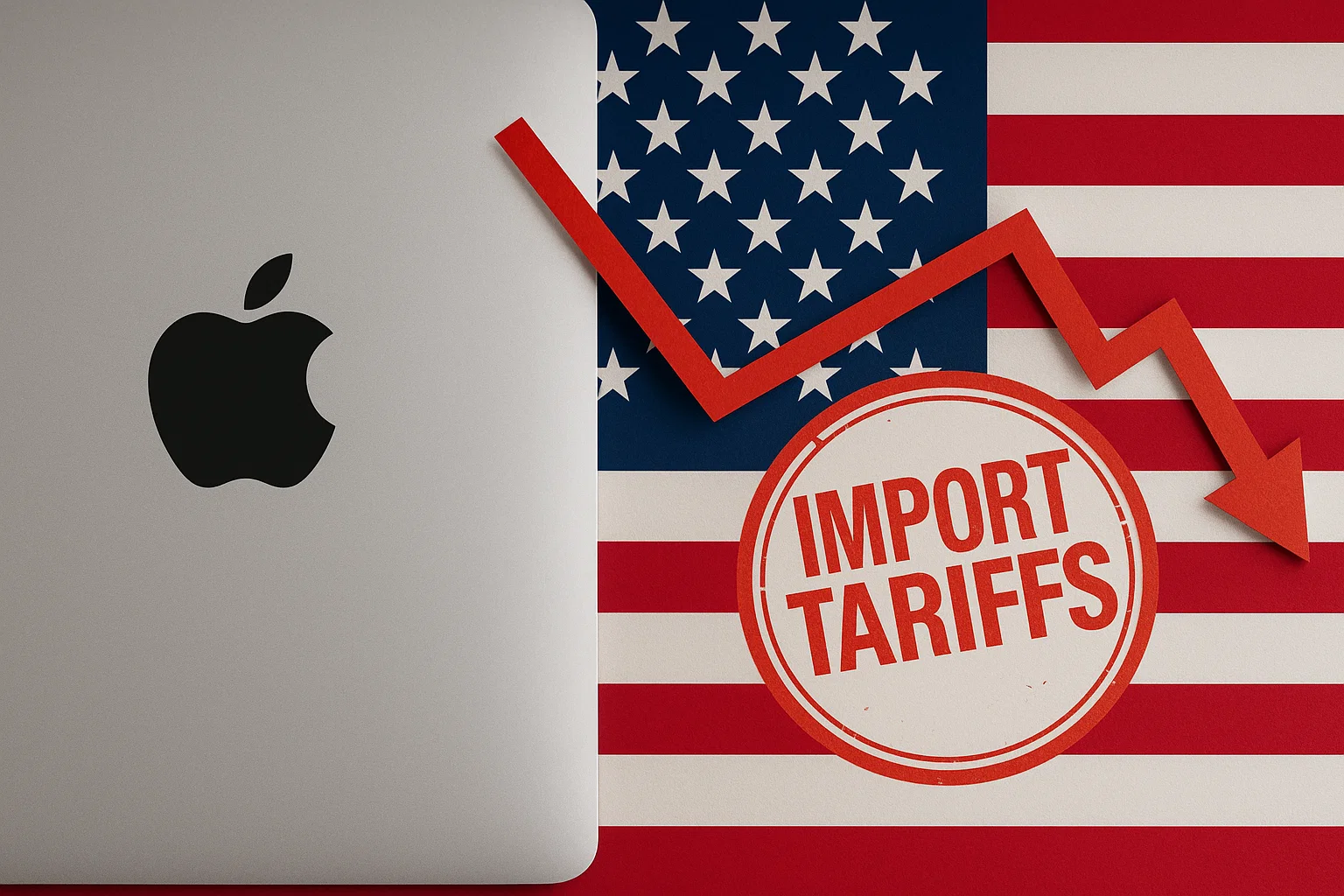
In a new development that could significantly impact tech giant Apple, U.S. President Donald Trump announced his intention to impose a 25% tariff on iPhones sold in the U.S. if the company does not manufacture them domestically. Trump made the announcement on the social media platform Truth Social, stating that he had informed Apple CEO Tim Cook long ago that iPhones sold in the U.S. must be built in the United States—not in India or anywhere else.
Escalation from the White House
Trump didn’t stop at social media. He repeated his stance in a meeting with reporters at the White House, adding that the tariffs wouldn’t be limited to Apple. Companies like Samsung and other smartphone manufacturers would also be affected to ensure “trade fairness.” He indicated that these tariffs could go into effect by the end of June.
Trump also said he had an earlier understanding with Tim Cook not to shift production to India. “If you want to go to India to build plants, that’s okay,” Trump said, “but you’re not going to sell them here without tariffs.”
Immediate Economic Impact
Apple’s stock dropped 3% following Trump’s statements, closing at $195.27. This is part of a broader 22% decline in the stock this year, compared to just a 1.3% drop in the S&P 500 index.
Analysts such as Owen Tedford from Beacon Policy Advisors believe Trump’s threats may be linked to the ongoing Section 232 investigations, which focus on critical sectors such as semiconductors—components Apple heavily relies on. If Apple is not granted an exemption, as it was during Trump’s previous term, electronics may be included in new, more permanent tariffs.
The Cost of U.S. Manufacturing
Despite the political pressure, manufacturing iPhones in the U.S. doesn’t seem feasible in the short term. According to Wedbush analyst Daniel Ives, making an iPhone in the U.S. could cost around $3,500 compared to the current price of about $1,000. Building the necessary production infrastructure in the U.S. would also take years.
Other analysts echoed this sentiment, suggesting that Trump’s threat is more of a negotiating tactic aimed at encouraging Apple to increase U.S. investment—especially in semiconductors—rather than a real expectation to shift all production.
Apple’s Response to the Pressure
Apple has already begun diversifying its production, boosting iPhone manufacturing in India as a response to past tariffs on Chinese imports. However, Trump has publicly criticized this move, expressing his displeasure and insisting that Apple should build domestically instead.
Though Apple executives recently met with Trump, logistical and financial challenges remain. CEO Tim Cook said in a recent earnings call that shipping devices from India and Vietnam to the U.S. would cost the company approximately $900 million just for the June quarter.
Looking Ahead
With rising trade tensions and unclear signals from the White House, Apple faces tough strategic decisions. The company can either comply with Trump’s demands and face the high costs of U.S. manufacturing or continue producing overseas and absorb the financial hit from tariffs.
Ultimately, Apple may not be able to avoid tariffs this time, as it did in the past, putting the company in a challenging position in the months ahead.