In July 2025, villa values in Dubai rose sharply to 296.9 points, reflecting a monthly increase of 1.8% and an impressive annual growth of around 28%. This level of acceleration reflects a market climbing with confidence, attracting buyers and investors from across the globe.
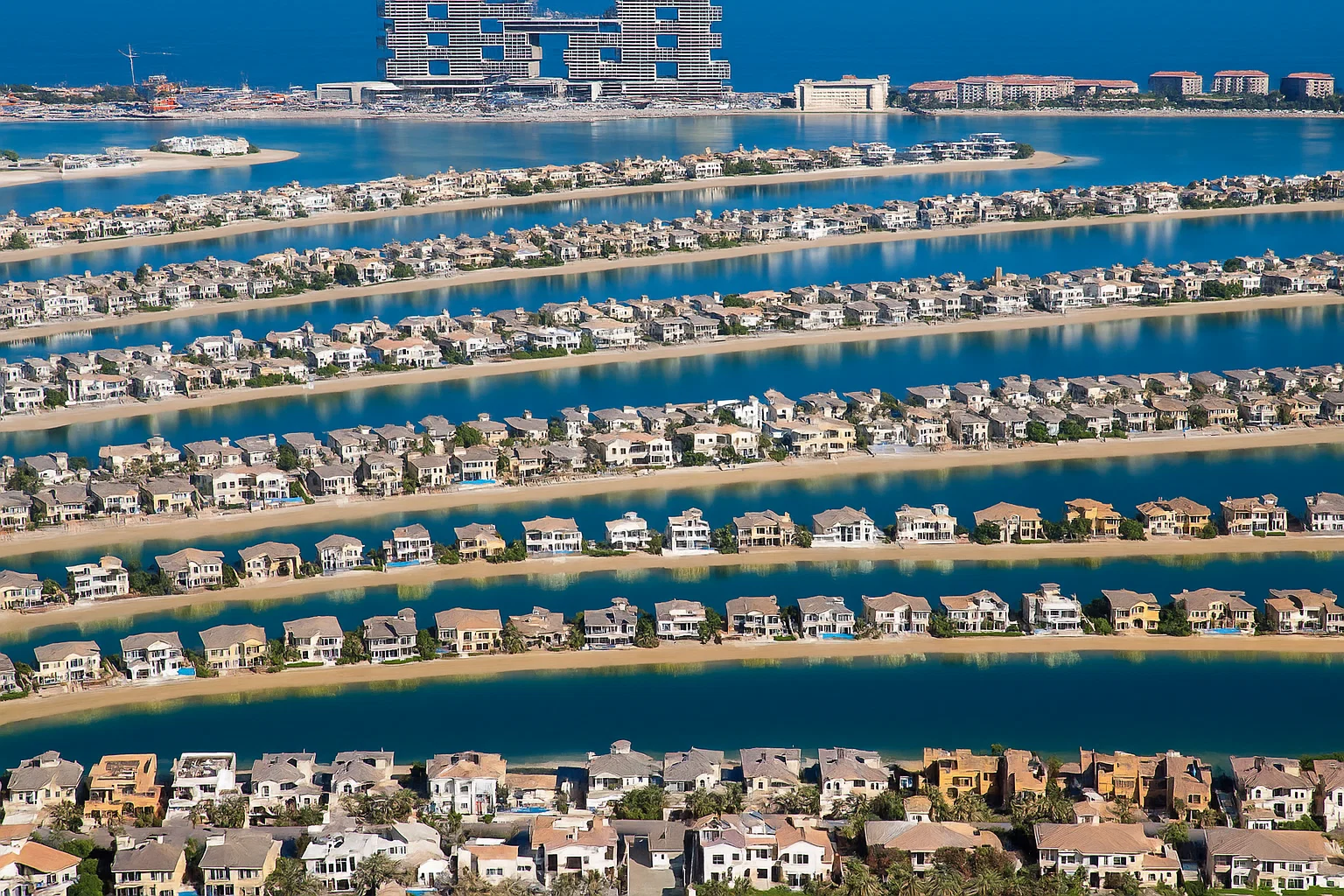
Certain areas recorded exceptional performance, such as Jumeirah Islands, which saw an annual increase of over 40%, and Palm Jumeirah, at nearly 40% as well. Meanwhile, communities like The Meadows rose by around 26%. These variations highlight different buyer preferences—from those seeking symbols of luxury and prestige to those who prefer a more peaceful and reasonably priced residential environment.
3 Engines Driving the Market: Villas, Apartments, and “Availability”
The market is responding to demand on two fronts: new developments (off-plan) and existing homes (ready). Contracts for off-plan projects made up roughly 78% of total sales, growing by no less than 50% month-on-month and 73% year-on-year. At the same time, ready home sales also saw positive monthly and yearly growth, though not as strong as the off-plan segment.
The luxury segment reached unprecedented transaction levels, with around 26 deals exceeding AED 30 million, including about seven surpassing AED 50 million. These figures suggest that the market is not only active but also capable of attracting ultra-high-net-worth investors.
Villa values are now more than 180% higher compared to post-pandemic levels, while apartments have risen by about 73%. This success stems from multiple factors, including advanced infrastructure, supportive government policies, and a stable environment that appeals to investors worldwide.
Towards a Balance of Options
Despite the momentum, there are signs of a shift in the second half of 2025 toward greater balance. The market is beginning to show “maturity” indicators, with the pace of growth expected to ease slightly—offering more stability and long-term planning opportunities for the government, developers, and buyers alike.
Dubai’s real estate market appears to be driven by strong fundamentals: intense local and international demand, market flexibility, and a diverse product offering. However, indicators suggest the market may enter a more moderate growth phase soon, especially with increasing supply and broader choices.