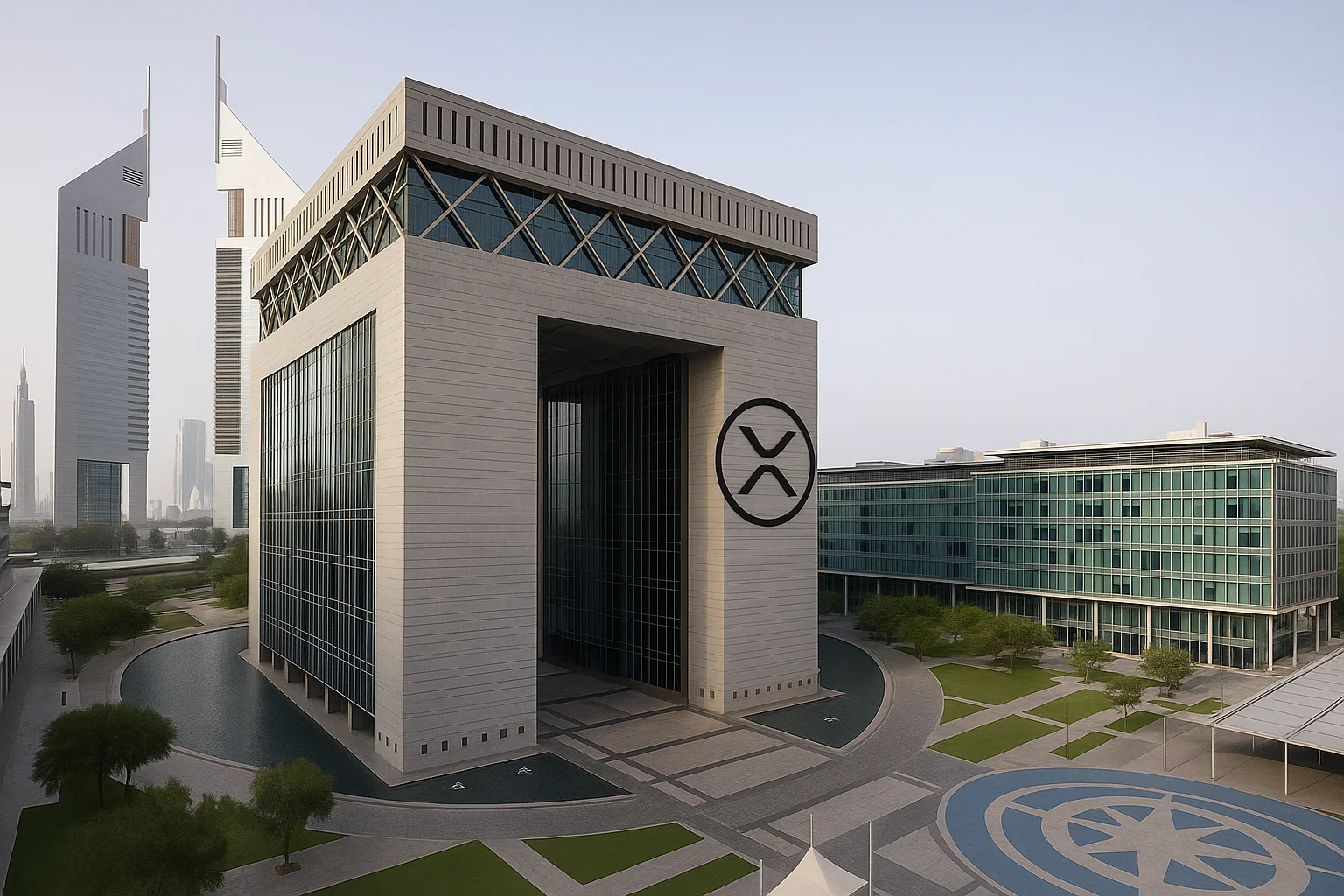
In a bold move that highlights the rapid digital transformation in the real estate sector, the Dubai Land Department (DLD) has announced its adoption of the XRP Ledger (XRPL) as the blockchain infrastructure for a groundbreaking real estate tokenization project valued at $16 billion. This marks the first time in the Middle East that a government entity relies on a public blockchain to tokenize property title deeds.
Digital Leadership Backed by Blockchain Technology
This initiative is part of the Real Estate Evolution Space (REES) program, which aims to modernize the ownership and transfer of property through cutting-edge digital tools. The tokenization process will be led by Ctrl Alt, in partnership with the Dubai Virtual Assets Regulatory Authority (VARA), the Dubai Future Foundation, and Prypco.
This collaboration signals a new era in the real estate market, enabling investors to purchase tokenized property deeds, trade them securely on XRPL, boost liquidity, and reduce the time and cost of property transactions.
Benefits of Property Tokenization on XRPL
The XRP Ledger is known for its high efficiency in processing digital and real-world assets (RWAs), offering low transaction costs and strong security. This initiative is expected to strengthen Dubai’s position as a global hub for fintech and property innovation, offering several advantages:
- Increased transparency in property transactions
- Fractional ownership of high-value properties, allowing small-scale investors to participate
- Streamlined governmental processes through integration of digital and traditional registries
- Global investment accessibility, enabling international investors to enter the UAE market digitally
Immediate Impact on XRP’s Price
Economically, XRP’s price jumped 2.37% following the announcement, trading at $2.34 with a market cap of $137.64 billion. This reflects growing institutional interest and market optimism as XRPL demonstrates real-world use cases.
A Turning Point for Real Estate and Blockchain?
This project may mark the beginning of a wider global movement toward real estate tokenization. Governments and institutions worldwide could follow Dubai’s lead, especially as U.S. regulators consider approving XRP ETFs, which could drive long-term growth for the token.
Dubai’s initiative is a powerful example of how governments can lead in embracing innovation—not just as a supporting tool but as a core infrastructure in vital economic sectors like real estate. As tokenization gains momentum globally, Dubai is clearly positioning itself at the forefront of this digital economic revolution.