Dubai stands out as a city with multiple economic hubs, where growth activities are distributed across diverse sectors depending on the geographic and functional features of each district. This diversification has made the emirate a global model for sustainable development and foreign investment attraction, relying on a balanced mix of tourism, trade, real estate, financial services, and industrial and logistics activities.
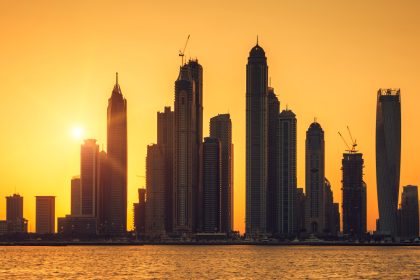
Downtown Dubai, Business Bay, and Dubai Marina
- Tourism and hospitality drive growth through luxury hotels, fine dining restaurants, and tourist facilities.
- Commercial and financial services play a central role, with major business centers and regional headquarters of global companies.
- Real estate and construction contribute significantly through large-scale developments and modern residential and commercial complexes.
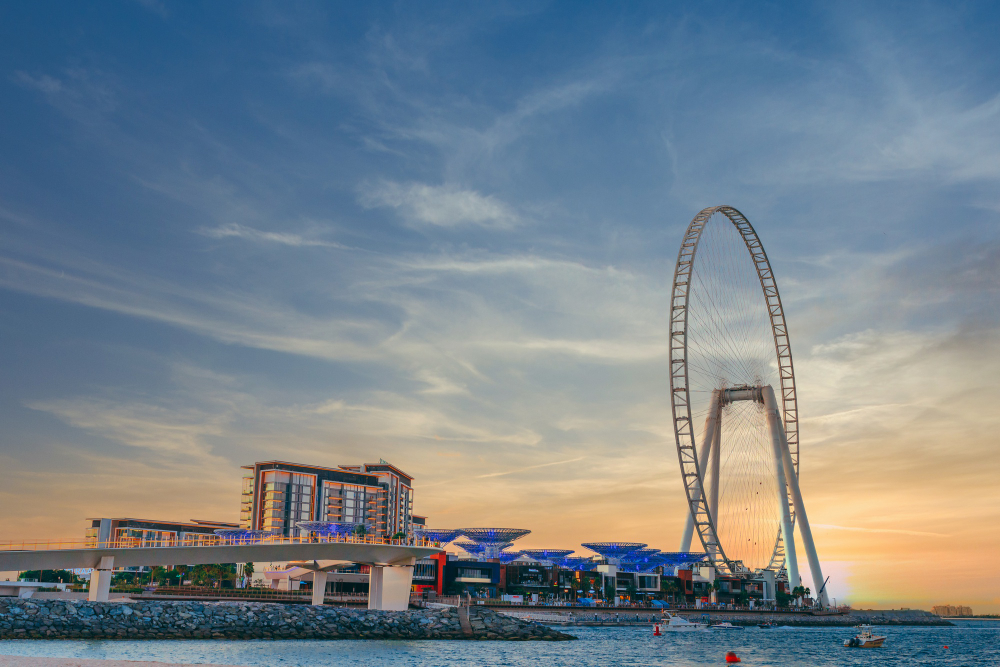
Palm Jumeirah and Jumeirah Beach Residence (JBR)
- Growth is mainly driven by luxury tourism and world-class resorts.
- Tourism-related real estate investment and high-end retail form a key engine.
- Marine and leisure activities add vitality, making these districts top destinations for tourists and investors alike.
Jumeirah Village Circle (JVC) and Dubai Hills Estate
- Real estate and infrastructure lead the way, especially through mid-market residential projects.
- Community services such as schools, clinics, and shopping centers strengthen these districts’ appeal to families.
- Construction and logistics also play a supportive role.
Dubai South and Dubailand
- These areas thrive on logistics, transportation, and warehousing, thanks to their proximity to Al Maktoum International Airport and major shipping ports.
- Industrial and free-trade activities create an attractive environment for companies.
- Construction dominates through industrial complexes and large business projects.
Free Zones and Commercial Complexes
- In areas such as Jebel Ali and the Dubai International Financial Centre (DIFC), growth is driven by trade, financial services, and manufacturing industries.
- These zones heavily rely on foreign investment thanks to tax and trade incentive policies.
- They represent a major gateway linking Dubai to the global economy.
In Dubai, central districts tend to grow mainly through tourism, trade, and financial services, while emerging and peripheral districts rely more on urban development, infrastructure, logistics, and industrial activities. This sectoral diversification ensures sustainable growth and reinforces Dubai’s position as a global hub for business and investment.