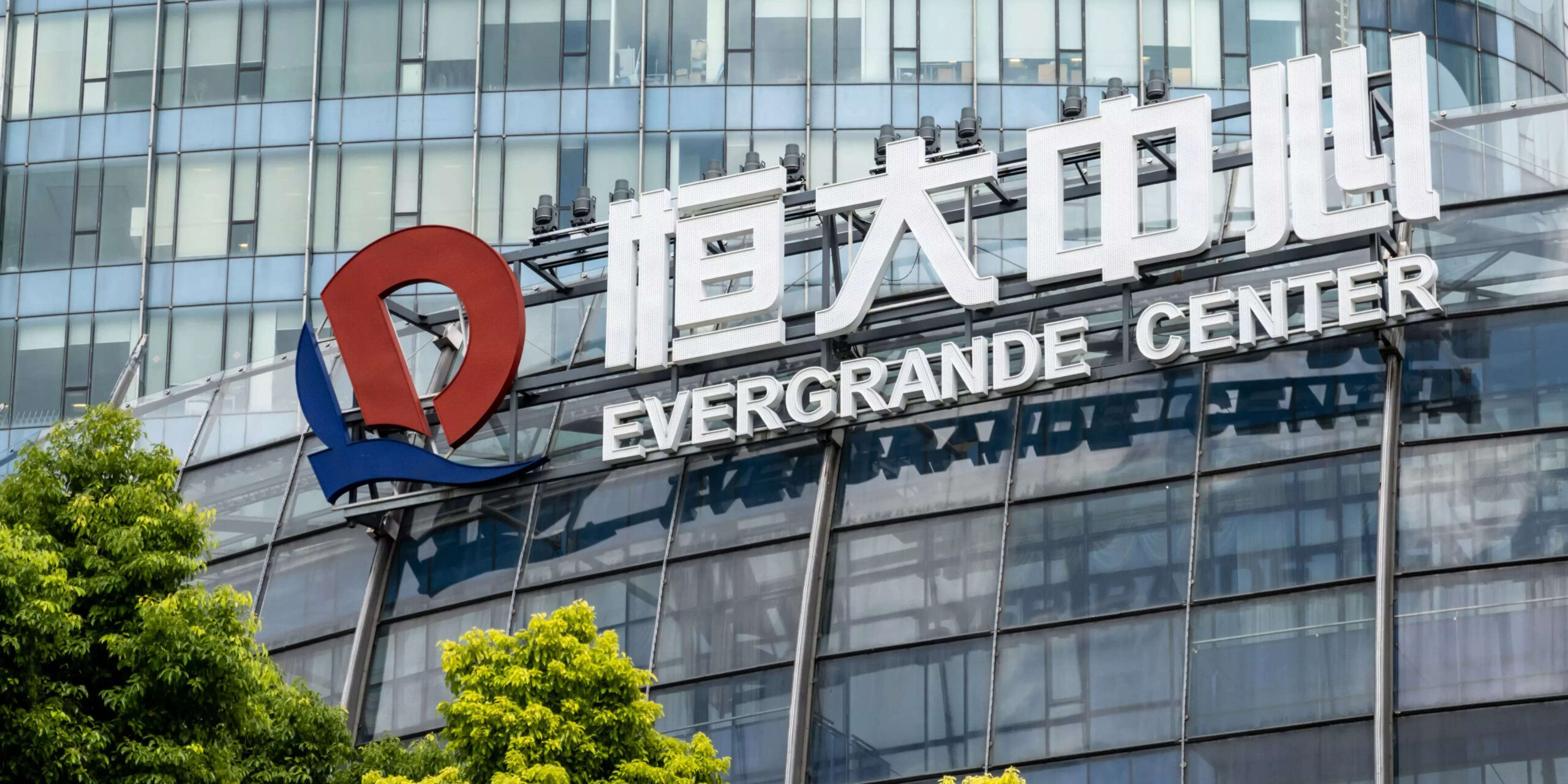
China has witnessed one of the largest property crises in modern history with the collapse of Evergrande, once a symbol of fast-paced, debt-driven growth. The company’s failure and its delisting from the Hong Kong Stock Exchange shook investor confidence in China’s real estate sector. Yet this global episode highlights an important lesson, not every property market is vulnerable to collapse.
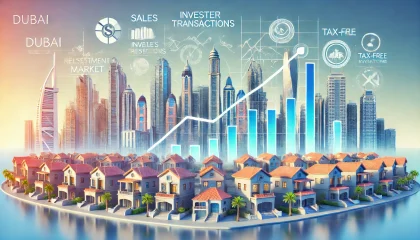
In contrast, Dubai has built a system designed specifically to avoid such risks and to protect investors, homebuyers, and industry stakeholders.
Dubai: A Strong Legal and Regulatory Framework
One of the clearest differences between China’s property market and Dubai’s lies in governance and regulation.
- The Dubai Land Department and its regulatory arm, the Real Estate Regulatory Agency (RERA), introduced strict laws after the 2008 global financial crisis. These require that all new projects operate under Escrow Accounts, ensuring that buyers’ funds can only be used for the specific project they paid into.
- This structure has effectively prevented scenarios like Evergrande, where buyers’ money was diverted into excessive expansions fueled by unsustainable borrowing.
Protecting Investors and Homebuyers
Dubai places investors and end-users at the heart of its real estate system:
- Buyers’ payments are safeguarded through Escrow Accounts, minimizing the risk of incomplete projects.
- Foreign investors enjoy full freehold ownership in many designated areas, with the flexibility to resell or lease without heavy restrictions.
- Specialized dispute resolution bodies and legal mechanisms further guarantee that investor rights are protected, strengthening confidence in the market.
Balancing Supply and Demand
A core cause of China’s property challenges was uncontrolled overbuilding without matching demand. Dubai has avoided this trap through:
- Launching new developments only in line with actual demand, whether from residents or international buyers.
- Providing market transparency through government-issued indices and regular updates, ensuring decisions are based on accurate data rather than assumptions.
- Attracting a diverse investor base — local residents, regional investors, and global buyers creating a wider, more resilient market foundation.
Safeguarding Contractors and Workers
Evergrande’s collapse left thousands of contractors and workers unpaid and uncertain. Dubai’s model is built to protect the entire ecosystem:
- Developers must pay contractors according to clear contracts.
- Authorities oversee project progress through mandatory milestone reports.
- This structure ensures that not only investors but also small businesses and workers remain protected.
Economic Diversification and Resilience
Unlike China, where property accounts for an outsized share of the economy, Dubai has built a diversified economic base.
Real estate is only one pillar of Dubai’s economy, standing alongside tourism, aviation, trade, technology, and financial services. This diversification creates a strong foundation that gives the city remarkable resilience. It allows the property sector to withstand external shocks as demonstrated during the COVID-19 pandemic and recover swiftly, returning to record levels of growth.
Evergrande’s downfall is a global cautionary tale about the dangers of debt-driven property booms. By contrast, Dubai’s real estate market offers a sustainable, transparent, and well-regulated model. With strong legal safeguards, balanced supply and demand, investor protection, and a diversified economy, Dubai is designed to avoid the kind of systemic collapse witnessed in China.
Dubai’s real estate sector is not just a market, it is a carefully built ecosystem that delivers long-term stability and security for investors, homebuyers, and all industry stakeholders.