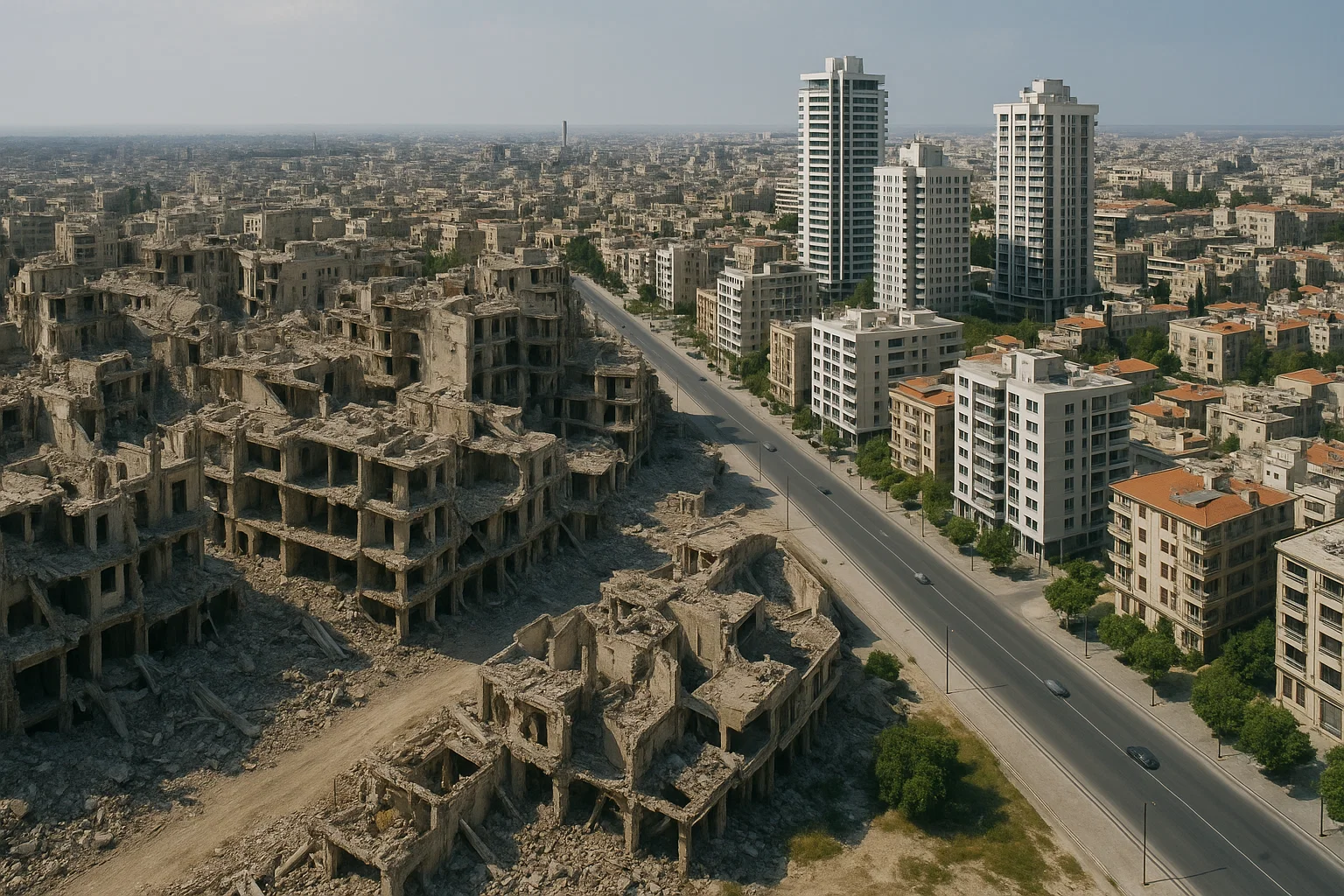
Global companies are turning their attention to Syria as the country enters its reconstruction phase after years of war, with the estimated cost of rebuilding ranging between $250 billion and $500 billion. According to the UAE-based newspaper The National, companies from the banking, energy, and transportation sectors are racing to tap into these promising economic opportunities.
Gulf and Turkish Investments in Infrastructure and Energy
DenizBank, a Turkish bank fully owned by Emirates NBD, expressed optimism about financing opportunities to support reconstruction efforts. It highlighted Turkey’s strong construction sector as a major advantage, opening broad investment prospects in infrastructure.
Additionally, Turkish conglomerate Kalyon Group signed a $7 billion investment agreement to build natural gas power plants in Syria with a combined capacity of 4,000 megawatts, along with a solar power plant of 1,000 megawatts. Companies from the United States and Qatar are also participating in this project, reflecting growing international interest in Syria’s reconstruction.
Port Development and Trade Enhancement
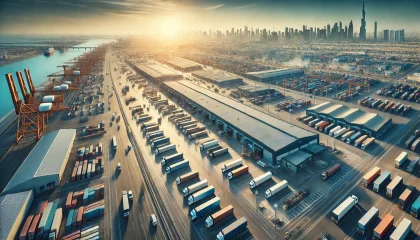
In a move aimed at enhancing logistical infrastructure, Dubai Ports World (DP World) signed an $800 million agreement with the Syrian government to develop the Port of Tartus. The project aims to improve the port’s efficiency and operational capacity, facilitating both regional and international trade.
The Gulf states are playing a pivotal role in supporting Syria’s financial stability. Saudi Arabia and Qatar have provided financial assistance to help Syria settle its debts with the World Bank, requalifying the country for further international financial support. In addition, deposits from Gulf countries are expected to boost Syria’s foreign currency reserves, helping stabilize the local currency and restore confidence in the banking system.
Ongoing Challenges and Future Prospects
Despite these positive developments, significant challenges remain, especially regarding security concerns and widespread infrastructure destruction. However, the growing international support—particularly from Gulf countries and Turkey—fuels hope for meaningful progress in rebuilding Syria and reintegrating it into the regional economic landscape.
As both international and domestic efforts continue, Syria appears to be on the brink of a new era of development and stability, backed by strategic investments and international partnerships aimed at restoring what the war had destroyed.