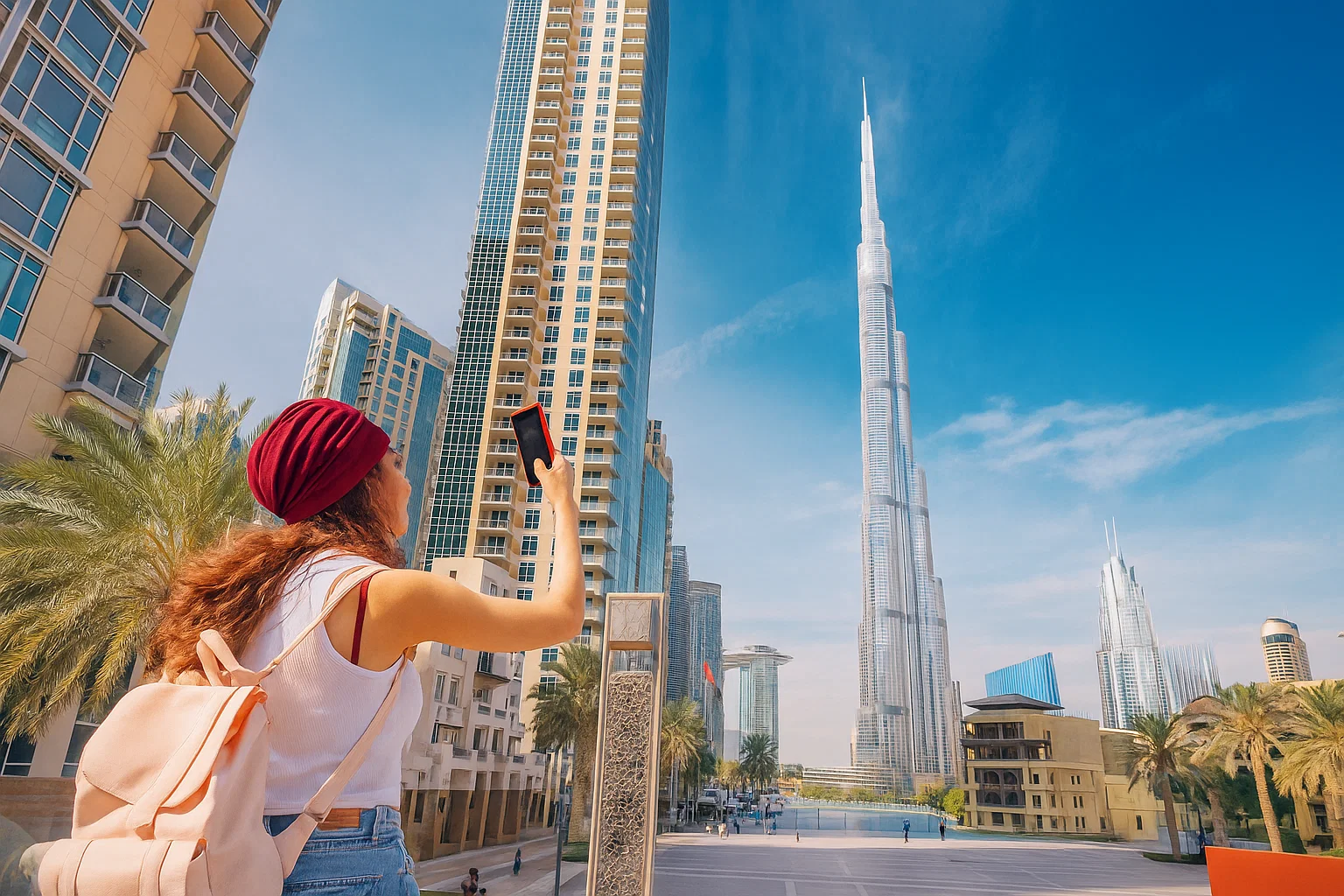
Once again, Dubai proves its position as an unmatched global tourism destination. During the first half of 2025, the city welcomed millions of visitors from all over the world, clearly highlighting its growing appeal, cultural diversity, advanced infrastructure, and world-class services.
In this report, we break down the top countries and regions from which tourists arrived in Dubai during the first six months of the year, based on official figures that reflect the dynamic nature of Dubai’s tourism sector.
1. Western Europe – 2.11 million visitors
Western Europe topped the list with over 2.11 million visitors. This is largely due to Dubai’s strong ties with markets such as the UK, Germany, France, and the Netherlands. European tourists are especially drawn to Dubai’s warm winter climate, luxurious hotels, and wide range of activities—from shopping to desert adventures.
2. Russia, CIS, and Eastern Europe – 1.52 million visitors
Despite political and economic challenges, Dubai remains a favored destination for these regions. The relaxed visa policies, direct flights, and large Russian-speaking expat communities in the UAE helped attract 1.52 million visitors from this group.
3. Gulf Cooperation Council (GCC) Countries – 1.51 million visitors
Strong cultural, social, and economic ties between Dubai and its Gulf neighbors (Saudi Arabia, Kuwait, Qatar, Bahrain, Oman) continue to drive high visitor numbers. Many visits are for family tourism, shopping, or attending major exhibitions and events.
4. South Asia – 1.44 million visitors
India, Pakistan, Bangladesh, and Sri Lanka continue to make up a significant portion of Dubai’s tourist traffic. Family connections, large expat communities in the UAE, and affordable travel options make Dubai an ideal destination for South Asians.
5. Middle East and North Africa – 1.11 million visitors
Many Arab visitors came from Egypt, Lebanon, Jordan, and Morocco. Shared language, culture, and religion contribute to Dubai’s attractiveness for this region, especially during holidays and long weekends.
6. Northeast and Southeast Asia – 894,000 visitors
Asian markets like China, South Korea, and Japan are gradually recovering from pandemic-era travel restrictions. Dubai is increasingly popular among the middle and upper classes in these countries, with high demand for luxury shopping and five-star hospitality.
7. The Americas – 689,000 visitors
The United States and Canada are growing markets for Dubai, especially among travelers seeking new experiences outside of Europe. Dubai presents a modern, secure, and luxurious alternative to traditional destinations.
8. Africa – 404,000 visitors
Visitor numbers from Africa are growing, especially from Nigeria, Kenya, and South Africa. Economic growth in parts of the continent and improved air connectivity have helped encourage tourism from African nations.
9. Australia – 176,000 visitors
Despite the long distance, Dubai remains a favorite for Australians, especially as a “stopover” destination en route to Europe. Dubai’s airport infrastructure and luxury offerings make it a memorable short stay for many.
Dubai continues to prove that it is more than just a modern city — it is a global hub that embraces diversity and welcomes the world with innovation and hospitality.
These numbers are not just statistics; they are strong indicators of the success of Dubai’s diversified tourism strategy and its ability to attract millions, regardless of global challenges. As we head into the second half of 2025, expectations are high that these figures will continue to rise—especially with the upcoming events and new tourism initiatives Dubai is known for launching year-round.